top of page

General Diagnostic Ultrasound Q & A

Why do I need a general diagnostic ultrasound? Ultrasound technology utilizes very high-frequency sound waves, which bounce off structures inside your body, to produce images. This allows your specialist to see detailed images of your bones, connective tissues, muscles, and other components, with a simple, non - invasive, in-office imaging test. Your foot and ankle doctor may recommend a general diagnostic ultrasound to confirm or rule out any of the following conditions (among others):

  • Achilles tendonitis

  • Sprains and strains

  • Plantar fasciitis

  • Stress fracture

  • Muscle tears

  • Abscess

  • Arthritis

  • Bursitis

  • Tumor

General diagnostic ultrasounds are also helpful for getting to the root of heel pain, which is one of the most common pain-causing issues podiatrists regularly treat.

What are the benefits of a general diagnostic ultrasound? Dr. Sara Shirazi proudly offers general diagnostic ultrasounds at Pasadena Orthopedics, Inc. The podiatry team regularly utilizes ultrasound imaging, because it:

  • Provides instant images

  • Requires no special preparation

  • Doesn’t expose you to radiation

  • Is more comfortable for the patient, cheaper, and faster than an MRI (and provides the same results)

Additionally, a general diagnostic ultrasound allows your podiatrist to observe the live movements of your inner structures. This is beneficial because if you only feel pain when you flex your foot, as an example, your podiatrist can have you flex during your ultrasound, so they can observe what’s happening and ensure they look at all surrounding structures.

What happens during a general diagnostic ultrasound? General diagnostic ultrasounds from Pasadena Orthopedics are routine components of pain or injury evaluations. After performing a thorough examination, checking your range of motion, and evaluating your pain, your dedicated podiatrist performs an ultrasound.

Dr. Shirazi applies a warm, clear gel-like substance to your skin and glides the ultrasound transducer — a small handheld tool — over your foot or ankle. They view images right on the screen and capture any photos or videos they may need to help with the diagnostic process.

Dr. Shirazi will talk with you about what she observes during the ultrasound and show you any areas of concern. In many cases, your doctor can diagnose you on the spot and talk with you about the best treatment options.

Pasadena Orthopedics provides on-site general diagnostic ultrasounds, so you can get fast results. Find out more by booking an appointment either online or over the phone today.


Call: 626-517-0022

Email: admin@pasadenaorthopedics.com


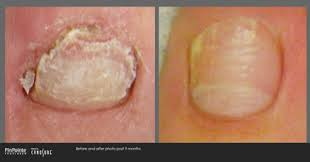
Featured on The Doctors show given its great success and FDA clearance in treating fungal nails!


Before & Afters


Frequently Asked Questions

Q: How does the PinPointeTM FootLaserTM work? A: The PinPointe FootLaser kills the fungus that lives in and under the nail. The laser light passes through the nail without causing damage to the nail or the surrounding skin. At the time of the procedure, the toenail will not become instantly clear— it takes time to grow out the healthy nail.

Q: What can I expect in the doctor’s office? A: The process begins with a consultation in which I will explain the procedure that is to be performed and any follow-up visits that may be required. If it is unclear from a visual examination if it is truly fungus, we can send a nail clipping to the lab to confirm. This is covered by insurance. You may have the consultation and treatment on the same day if desired.

Q: Is the procedure painful? A: Most patients feel no pain. Some may feel a warming sensation. An isolated few may feel a slight pinprick.

Q: Is there a recovery period? A: No. The treatment is a walk in/ walk out procedure with no down-time! You can do all normal activities after. Be sure to bring a pair of fresh socks for post-treatment. Sandals are also preferred.

Q: How long does the procedure take? A: The PinPointe FootLaser procedure typically takes about 30 minutes for all 10 toenails.

Q: Will the fungus grow back? A: One or two treatments kill the fungus for most people. However, there is a chance of reinfection because the fungus is present everywhere in the environment. I will recommend post-treatment care techniques to help reduce a recurrence of the infection. The analogy we like to use is... if you go to the dentist to fill a cavity, this does not mean you can stop brushing your teeth. Just like post-laser treatment, it does not mean you can stop eradicating fungus from the environment near you. Throw away old socks and slippers to prevent re-infection.

Q: When is it safe to paint my nails or have a pedicure following treatment? A: You can apply polish immediately after the treatment. It is important that you remove all nail polish and nail decorations the day before your treatment.

Q: Is the procedure covered by insurance? A: This procedure is considered aesthetic and therefore health insurance does not provide coverage. However, your HSA, Medical IRA, or Health Spending Account may sometimes be used to cover this procedure if they cover non-insurance covered services.

Q: What costs are covered in the treatment? A: We can begin with a free consultation to determine if you are a good candidate for this new therapy. If a lab test is needed to confirm the presence of the fungus, insurance will be billed. After an affirmative diagnosis, your nails will be debrided (trimmed and filed) and you will receive the treatment. A photo before and after may be included. Further follow-up visits and laser treatments may be scheduled if needed. Because it takes months for the new nail to grow out (6-12 months), periodic visits to check on your progress are scheduled. For very severe infections, additional sessions may be recommended. You will also be given a Post-Laser Treatment Care Kit containing products that will enhance the effectiveness of the treatment and be personalized for you as determined by Dr. Shirazi. We take this diagnosis seriously and will work diligently to help you the entire way to a clear nail!

Q: How long has the PinPointe FootLaser been in use? A: Clinical studies began in November 2007.

Q: Is the PinPointe FootLaser FDA cleared? A: Yes, the device has received FDA clearance for treatment of toenail fungus.

Q: Who developed the PinPointe FootLaser procedure? A: Leading scientists and medical professionals working together for 20 years with funding provided by the National Institutes of Health (NIH) developed the technology used in the patented PinPointe FootLaser.


Also known as, "squishy mass" on the body!


What is a Ganglion Cyst?


A ganglion cyst is a sac with a jelly-like fluid that originates from a tendon sheath or joint capsule. The word "ganglion" means knot and is used to describe the knot-like mass or lump that forms below the surface of the skin.


Ganglion cysts are among the most common benign soft-tissue masses. Although they most often occur on the wrist, they also frequently develop on the foot or ankle- typically on top but also can occur elsewhere. Ganglion cysts can be different sizes and have some variation- they also may increase or decrease in size. At times, they completely disappear but then return later in time.


Causes


The exact cause is unknown however they may arise from trauma - whether it be a single event or small microtrauma which occurs over time.


Symptoms


A ganglion cyst is associated with one or more of the following symptoms:

  • A noticeable lump- often this is the only symptom experienced

  • Tingling or burning, if the cyst is touching a nerve

  • Dull pain or ache, which may indicate the cyst is pressing against a tendon or joint

  • Difficulty wearing shoes due to irritation between the lump and the shoe

Diagnosis


A foot and ankle surgeon will perform a thorough examination of your foot and ankle. The lump will be visibly apparent in most cases, and when pressed in a certain way, it should move freely under the skin. Sometimes the surgeon will shine a light through the cyst or remove a small amount of fluid for evaluation. Your doctor may take an x-ray and in some cases, an MRI or additional imaging can be ordered.


Non Surgical Treatment


Dr. Shirazi always attempts conservative treatment and considers surgical treatment when all other alternatives are exhausted. Shoe modifications, aspiration and injections of corticosteroid are all conservative treatment considerations. If a patient wants definitive treatment, then the cyst can be removed surgically.


When Is Surgery Needed?


When other treatments fail or are not appropriate, Dr. Sara Shirazi will speak with you about surgical intervention. The recurrence rate is much less than conservative treatment in the office. This is why many patients elect for surgery.


Please call our office to schedule an appointment with Dr. Sara Shirazi.


Pasadena Orthopedics, Inc.

(626) 517-0022


Foot Massage

Treatment Methods
&
Shoe Recommendations

bottom of page